
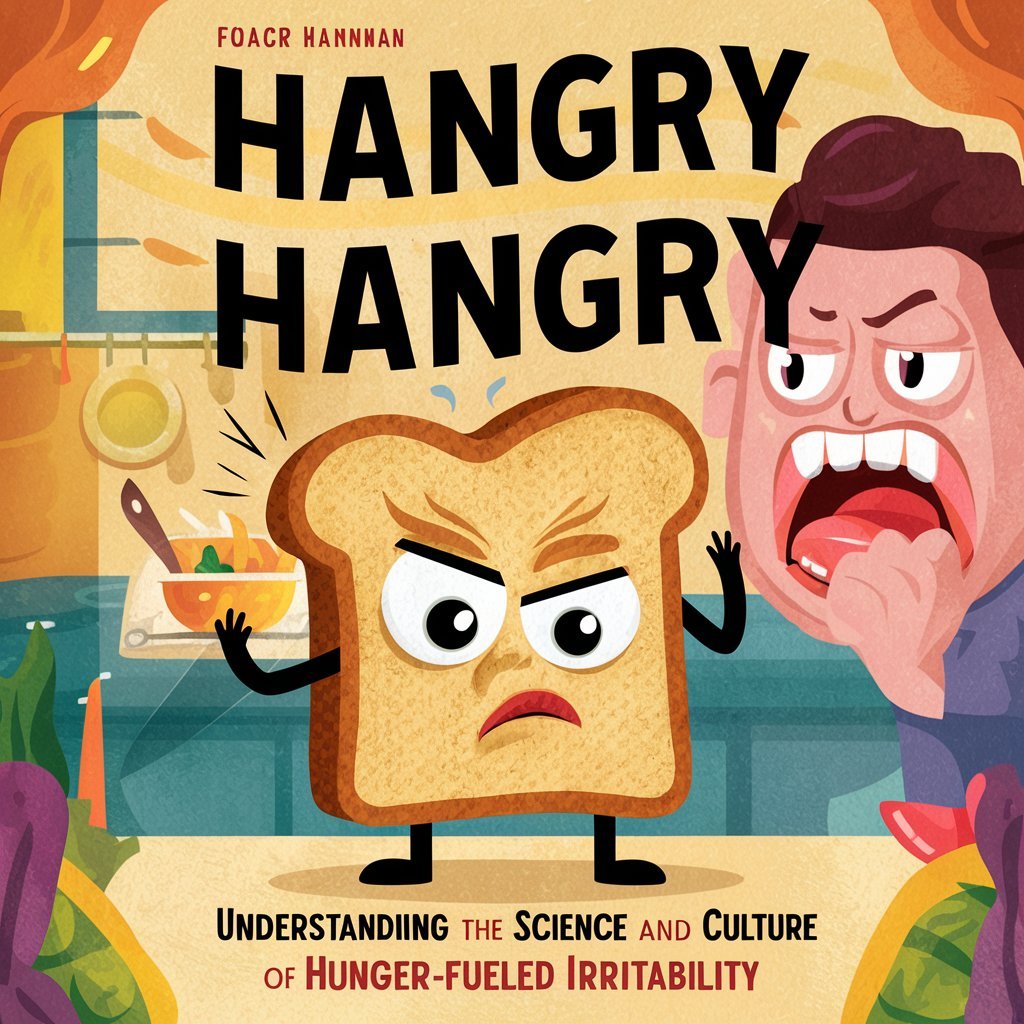
Everyone has felt it at some point—an overwhelming wave of irritability that seems to come out of nowhere, often triggered by a rumbling stomach. This unique emotional state is widely known as being “hangry,” a blend of “hungry” and “angry.” While it might sound trivial or humorous, hangry episodes reflect the complex interplay between our physiology, psychology, and social behavior. The term “hangry hangry” emphasizes just how intense and repetitive this experience can be, highlighting moments when hunger not only sparks anger but amplifies it, creating a noticeable impact on interactions, decision-making, and overall well-being. In this article, we will explore what causes hangry hangry states, the science behind them, cultural perspectives, coping strategies, and answer some frequently asked questions about this common human experience.
What Does “Hangry Hangry” Mean?
The phrase “hangry hangry” essentially doubles down on the concept of being irritable due to hunger, underscoring the heightened intensity and persistence of the emotional reaction. Unlike ordinary hunger, which simply signals the body’s need for food, hangry hangry refers to a state where low blood sugar triggers irritability, frustration, or even aggression. Psychologists and nutritionists have found that this reaction is not purely a behavioral quirk; it has biological roots. When blood glucose levels drop, the body releases stress hormones such as cortisol and adrenaline, which can temporarily increase feelings of anxiety, impatience, or anger. The repetition implied by “hangry hangry” suggests situations where individuals repeatedly encounter hunger without relief, intensifying the emotional response and making it more noticeable to themselves and those around them. Essentially, it’s a vivid way to describe hunger’s emotional consequences in everyday life.
The Science Behind Hangry Hangry
Hangry hangry is not just a catchy term—it is a physiological phenomenon. Studies have shown that the brain is highly sensitive to glucose levels, as glucose is the primary fuel for cognitive and emotional regulation. When glucose dips, the brain interprets this as a stress signal, which can manifest as irritability, aggression, or impatience. Interestingly, research also indicates that the tendency to become hangry hangry varies between individuals, influenced by factors such as genetics, metabolism, and eating habits. For example, people who skip meals or consume foods high in refined sugars often experience more severe swings in mood. Moreover, the brain’s amygdala, which governs emotional responses, becomes more reactive under low glucose conditions, amplifying negative emotions and making even minor annoyances feel more significant. Understanding this science not only validates the hangry experience but also emphasizes the importance of regular, balanced meals to maintain emotional equilibrium.
How Hangry Hangry Affects Daily Life
The impact of hangry hangry extends beyond personal discomfort. Relationships, work productivity, and social interactions can all be influenced by hunger-induced irritability. At home, hangry hangry moments can lead to minor arguments or misunderstandings, as even small annoyances may trigger disproportionate responses. In workplaces, studies suggest that employees who experience low blood sugar can make more impulsive decisions, display decreased patience with colleagues, and struggle to focus on complex tasks. On a broader scale, recognizing the signs of hangry hangry can improve communication and empathy. Friends, family, or coworkers who understand that someone’s irritability may stem from hunger rather than intentional rudeness are more likely to respond with patience and support, preventing unnecessary conflict and fostering healthier social dynamics.
Cultural Perspectives on Hangry Hangry
Different cultures approach the concept of hunger-induced irritability in unique ways. In some societies, discussing emotional states related to food is normalized, allowing people to openly admit they are hangry and seek food or a break as a solution. In others, expressing frustration due to hunger may be seen as a sign of weakness or impatience, leading individuals to suppress their feelings and inadvertently intensifying the hangry hangry effect. Media, advertising, and popular culture have also embraced the concept, portraying hangry behavior humorously in memes, commercials, and social media content. This widespread cultural recognition reinforces the idea that being hangry hangry is a relatable human experience, connecting individuals across different backgrounds through a shared understanding of hunger-driven emotions.
Strategies to Manage Hangry Hangry
Managing hangry hangry involves both prevention and real-time coping strategies. Preventive measures focus on maintaining stable blood sugar levels by eating balanced meals with complex carbohydrates, proteins, and healthy fats. Regular snacks, hydration, and mindful eating habits can also help reduce the likelihood of extreme hunger and irritability. When a hangry hangry episode occurs, quick interventions like consuming a healthy snack, practicing deep breathing, or temporarily stepping away from a frustrating situation can help regulate emotions and prevent conflicts. Additionally, self-awareness and humor can be effective tools. Recognizing that hangry hangry feelings are temporary and biological rather than personal allows individuals to approach situations with patience, both toward themselves and others, reducing the emotional intensity and minimizing negative consequences.
Conclusion
Hangry hangry is more than just a funny phrase; it is a genuine emotional and physiological phenomenon that impacts human behavior, relationships, and decision-making. Understanding the science behind it, acknowledging its presence, and adopting strategies to manage it can transform a potentially disruptive experience into a manageable and even laughable one. By recognizing the signals of hunger-induced irritability and responding with appropriate nutrition, mindfulness, and empathy, individuals can maintain emotional balance and strengthen social connections. Hangry hangry reminds us that food is not just sustenance—it is deeply tied to our emotions and overall well-being, highlighting the importance of nurturing both our bodies and minds.
Frequently Asked Questions (FAQs)
Q1: Can anyone become hangry hangry, or is it only certain people?
A1: While most people can experience hangry hangry, the intensity varies based on factors like metabolism, genetics, diet, and stress levels. Those who skip meals or consume foods that spike and crash blood sugar are more prone to severe reactions.
Q2: How long does a hangry hangry episode last?
A2: The duration depends on blood sugar recovery. Eating a balanced meal or snack typically alleviates hangry feelings within 15–30 minutes, but prolonged hunger or repeated skipped meals can extend irritability.
Q3: Is hangry hangry harmful to health?
A3: Occasional episodes are normal, but chronic fluctuations in blood sugar and stress can affect mental health, increase irritability, and potentially lead to unhealthy eating habits if not managed.
Q4: Can hangry hangry affect decision-making?
A4: Yes. Low glucose levels impair cognitive functions like focus, patience, and problem-solving, which can result in impulsive decisions or conflict in both personal and professional settings.
Q5: How can I prevent becoming hangry hangry?
A5: Maintain regular meals and snacks with balanced nutrition, stay hydrated, manage stress, and pay attention to early hunger cues to prevent irritability before it escalates.
