
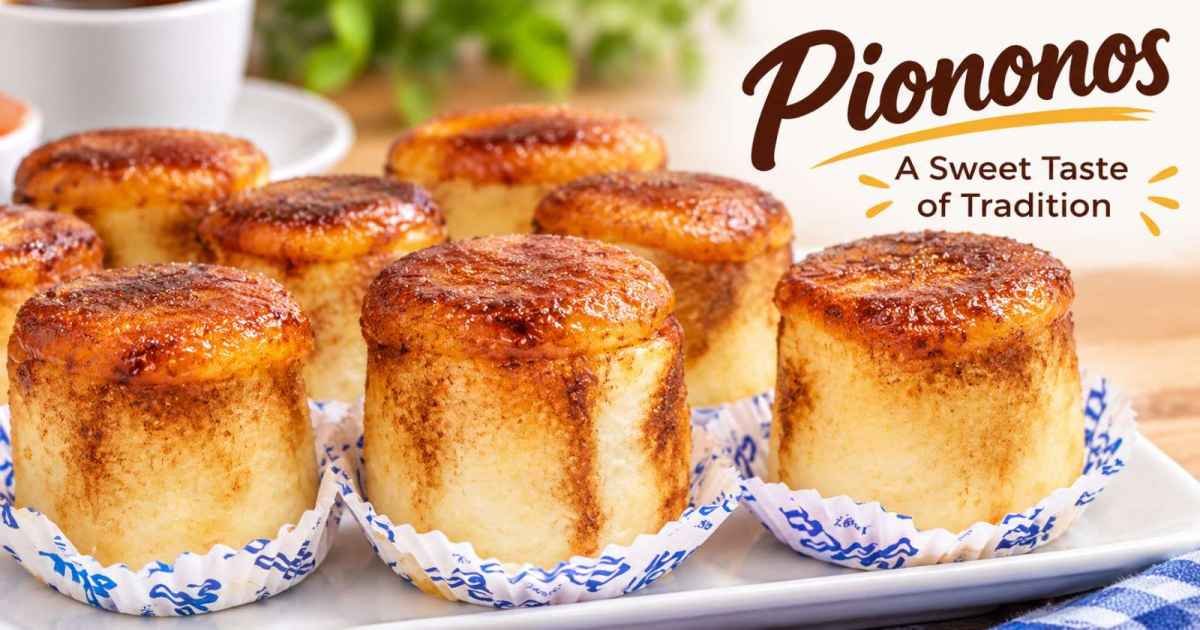
Piononos are one of Spain’s most distinctive traditional pastries, combining a soft rolled sponge cake with sweet cream and a characteristic caramelized top. Although relatively small in size, these delicate pastries have a fascinating history and a strong connection to the town of Santa Fe in Granada, Andalusia. Their unusual shape, tender texture, creamy filling, and lightly toasted surface make them a memorable Spanish dessert and a favorite among people who enjoy traditional European pastries. For anyone searching for what piononos are, where they originated, or how to make them at home, this guide explores their history, ingredients, preparation, variations, serving ideas, and the cultural tradition behind this famous Spanish sweet.
Unlike many modern desserts that have developed countless variations over time, traditional piononos remain closely associated with their place of origin. The name generally refers to the small Spanish pastry from Santa Fe, although the word pionono is also used for other types of rolled cakes and savory preparations in different Spanish-speaking countries. The Spanish version is particularly famous for its soft sponge, sweet cream filling, cylindrical shape, and toasted sugar topping. Understanding this distinction is important when searching for a piononos recipe, because recipes found online can look very different depending on the country and culinary tradition being discussed.
What Are Piononos?
Piononos are traditional Spanish pastries made from a thin, soft sponge cake that is soaked or lightly moistened, filled with sweet cream, rolled into a distinctive spiral or cylindrical shape, and finished with a caramelized layer of sugar on top. The combination of textures is what makes the dessert especially appealing: the sponge is delicate and tender, the filling is smooth and creamy, and the caramelized surface provides a slightly crisp contrast. Traditional Spanish piononos are usually small individual pastries rather than one large cake, making them ideal for serving alongside coffee, tea, or as a sweet ending to a meal.
The most famous piononos are associated with Santa Fe, Granada, where they became an important part of the town’s culinary identity. The pastry is often described as having a shape inspired by the appearance of Pope Pius IX, whose name is connected with the dessert’s unusual title. Over time, piononos developed into a recognizable symbol of Santa Fe and became one of the best-known traditional sweets associated with Granada. Today, visitors to the region can find them in bakeries and pastry shops, while home bakers around the world have adapted the basic technique to recreate the dessert.
The History of Piononos
The history of piononos is closely connected with Santa Fe, a historic town located near Granada in southern Spain. Traditional accounts attribute the creation of the pastry to the pastry chef Ceferino Isla, who developed the sweet in the nineteenth century. The pastry was named pionono in honor of Pope Pius IX, whose name in Spanish is Pío Nono. This historical connection gives the dessert a distinctive identity and helps explain why its name is so unusual compared with other Spanish pastries.
The original concept was more than simply a rolled sponge cake. The pastry was designed as a small, elegant sweet with a moist texture and rich filling, topped with a layer of sugar that could be browned to create its characteristic finish. The relationship between the dessert and Santa Fe became so strong that piononos from Santa Fe are now widely recognized as a traditional specialty of the area. For travelers exploring Granada and Andalusia, trying an authentic pionono can therefore be as much a cultural experience as a culinary one.
Why Are Piononos Famous?
Piononos are famous because they have a combination of characteristics that make them immediately recognizable. Their small size makes them different from a conventional Swiss roll, while the way the sponge is rolled and topped with caramelized sugar creates a distinctive appearance. The dessert is also closely connected with a particular Spanish location, giving it a strong sense of regional identity. Rather than being an anonymous pastry found throughout Europe, piononos tell a story about Santa Fe, Granada, Spanish pastry-making, and nineteenth-century culinary traditions.
Another reason people enjoy piononos is their balance of texture and sweetness. The sponge provides a light foundation, while the cream adds richness without completely overwhelming the cake. The caramelized sugar on top adds another layer of flavor and texture, producing a slightly toasted taste that complements the creamy interior. When freshly prepared, the contrast between soft cake, smooth filling, and lightly caramelized topping is one of the most appealing characteristics of the dessert.
Traditional Piononos Ingredients
The ingredients for traditional piononos are relatively simple, but technique is extremely important. The sponge generally requires eggs, sugar, and flour, with some recipes using additional ingredients to produce a particularly tender or aromatic cake. Because the sponge needs to be thin and flexible enough to roll without breaking, the eggs must usually be beaten properly so that the batter develops enough air and volume. The quality of the sponge determines much of the final texture of the pastry.
The cream filling is another essential component. Traditional versions often use a sweet pastry cream or a similar creamy filling, although modern recipes may introduce variations using whipped cream, flavored creams, or other fillings. Sugar is also essential because it contributes not only sweetness but also the characteristic caramelized topping. Depending on the recipe, flavorings such as vanilla, citrus zest, cinnamon, or a small amount of liqueur can be used to add complexity. The goal is not to create an aggressively flavored dessert but to produce a harmonious pastry in which the sponge, cream, and caramelized sugar complement each other.
Traditional Piononos Recipe
Making traditional piononos at home requires patience because the individual components are simple but the assembly requires care. The first stage is preparing a very thin sponge cake. Eggs and sugar are beaten until light, airy, and significantly increased in volume, after which flour is gently incorporated. The batter is spread into a thin layer on a lined baking tray and baked until just set. It is important not to overbake the sponge because a dry cake becomes difficult to roll and can crack during assembly.
Once the sponge is baked, it should be handled while it is still flexible. The cake is cut or prepared into suitable strips or portions and then lightly moistened if the chosen recipe calls for a syrup. The cream filling is spread evenly across the sponge, after which the cake is rolled carefully into its characteristic shape. The finished rolls are arranged upright or in their traditional individual form, depending on the recipe, and a layer of sugar is placed on top. The final stage is to caramelize the sugar until it develops a golden-brown surface. This caramelized topping is one of the defining features of a traditional Spanish pionono and should be carefully controlled so that it becomes toasted without turning bitter.
How to Make Piononos Step by Step
The first step in making piononos is preparing the sponge. Begin by separating or working with the eggs according to your chosen recipe and beat them with sugar until the mixture becomes pale, thick, and airy. Fold the flour in gently rather than mixing aggressively, because excessive mixing can remove the air that gives the sponge its light structure. Spread the batter into a thin, even rectangle on a baking sheet and bake it just until cooked through. The sponge should remain flexible and soft rather than becoming crisp around the edges.
After baking, allow the sponge to cool enough to handle while keeping it flexible. Prepare the cream filling separately and spread a thin, even layer over the sponge. Roll the cake carefully, using gentle pressure so that the filling remains inside and the sponge does not tear. Traditional piononos are small pastries, so the rolled sponge may need to be divided or shaped into individual portions depending on the recipe being followed. Place the pastries upright and finish each one with sugar.
The final step is caramelization. Sprinkle a thin layer of sugar over the top and use a culinary torch or another suitable method to brown the sugar. The goal is to create a thin caramelized crust that provides a slightly crisp texture and toasted flavor. Let the topping cool briefly before serving so that the caramel can set. A successful pionono should be soft and creamy inside with a beautifully browned top and enough structural integrity to hold its distinctive shape.
What Does a Pionono Taste Like?
A traditional pionono has a delicate, sweet, creamy flavor with a subtle caramelized finish. The sponge itself is relatively mild, allowing the cream to provide much of the dessert’s richness. The caramelized sugar introduces a deeper toasted flavor that prevents the pastry from tasting like a simple sponge cake filled with cream. Depending on the recipe, vanilla, citrus, cinnamon, or other flavorings can add additional character.
Texture is arguably just as important as flavor. A well-made pionono should be tender rather than dry, and the cream should provide a smooth contrast against the cake. The caramelized sugar on top contributes a delicate crispness. This combination of soft sponge, creamy filling, and caramelized sugar is what distinguishes the traditional dessert from many other rolled cakes.
Pionono vs. Swiss Roll: What’s the Difference?
Piononos and Swiss rolls may look similar because both involve rolled sponge cake, but they are not exactly the same dessert. A traditional pionono from Santa Fe is generally much smaller and has a distinctive cylindrical presentation with cream and caramelized sugar. Its identity is strongly linked to Spanish pastry tradition and the town of Santa Fe near Granada.
A Swiss roll, by comparison, is usually made as a larger cake that is rolled around a filling and then sliced into portions. It can be filled with jam, cream, chocolate, buttercream, or many other ingredients and is found in numerous culinary traditions. While the techniques overlap, traditional piononos have their own preparation style, proportions, presentation, and cultural history.
Piononos Around the Spanish-Speaking World
The word pionono does not always refer to exactly the same food. Different Spanish-speaking countries have developed their own dishes using the name, and some are quite different from the traditional Spanish pastry. In several Latin American culinary traditions, pionono can refer to a larger sheet of sponge cake that is rolled around either a sweet or savory filling. Sweet versions may contain dulce de leche, jam, cream, or fruit, while savory versions can contain ingredients such as ham, cheese, vegetables, or other fillings.
This regional diversity is one reason searches for pionono recipes can produce very different results. Someone looking for the traditional Granada dessert may expect a small individual pastry with cream and caramelized sugar, while someone searching from Argentina, Uruguay, Peru, or another part of Latin America may be looking for a larger rolled sponge with a completely different filling. When choosing a recipe, always check the country and style before beginning.
Sweet Pionono Variations
Although traditional piononos have a recognizable character, modern pastry chefs and home bakers can experiment with different flavors. Vanilla pastry cream is a classic choice, but chocolate cream, coffee cream, citrus-infused cream, or fruit-based fillings can create interesting alternatives. A small amount of orange or lemon zest can give the dessert a fresh aroma, while cinnamon can introduce a warmer Spanish-inspired flavor.
Chocolate is another popular modern variation because its bitterness can balance the sweetness of the sponge and caramelized topping. Fruit can also work particularly well when used carefully, especially berries, citrus, or stone fruits. However, if the goal is to recreate authentic Santa Fe piononos, it is better to begin with the traditional preparation before experimenting with modern adaptations.
Common Mistakes When Making Piononos
One of the most common mistakes when making piononos is overbaking the sponge. Because the cake needs to be rolled, it must remain soft and flexible. Even a few extra minutes in the oven can make a thin sponge dry enough to crack. Another common problem is overmixing the flour into the egg mixture, which can reduce the amount of air and result in a dense cake. Gentle folding and careful baking are therefore essential.
The cream can also cause problems if it is too loose. A filling that is excessively soft can leak from the pastry when it is rolled or served. On the other hand, a filling that is too thick can make the pastry feel heavy. The caramelized topping requires particular attention as well. Sugar can go from golden to burnt very quickly, so it should be watched closely during caramelization. These details may seem minor, but they make a major difference in the final result.
How to Serve Piononos
Piononos are traditionally served as individual pastries, making them particularly suitable for afternoon coffee, dessert tables, celebrations, and special occasions. They can be served at room temperature or slightly chilled depending on the filling and personal preference. A cup of Spanish coffee or another unsweetened hot drink provides a pleasant contrast to the sweetness of the pastry.
For a more elaborate dessert presentation, piononos can be served alongside fresh fruit or a small amount of lightly sweetened cream. However, the traditional pastry does not require elaborate decoration. Its charm comes from its distinctive shape and caramelized top, so excessive decoration can actually distract from the classic appearance.
Where Did Piononos Originate?
Traditional Spanish piononos originated in Santa Fe, Granada, Spain, and are strongly associated with Andalusian pastry-making. The dessert is generally attributed to nineteenth-century pastry chef Ceferino Isla, who created the sweet and gave it the name associated with Pope Pius IX. The connection between the pastry and Santa Fe remains an important part of its identity.
The town’s proximity to Granada has helped make piononos an important regional specialty. Visitors exploring Granada and the surrounding area can encounter the pastry in local bakeries and pastry shops, where traditional versions continue to be part of the region’s culinary culture. For food travelers, tasting an authentic pionono in its region of origin provides a different experience from preparing an adapted recipe at home.
Are Piononos Easy to Make at Home?
Piononos are achievable for home bakers, but they require more care than a basic sponge cake. The ingredients themselves are straightforward, yet the thin sponge must be baked correctly, the cream needs an appropriate consistency, and the pastry must be rolled without breaking. The caramelized topping also requires careful attention.
If you are making piononos for the first time, it is helpful to prepare all components before beginning assembly. Have the sponge ready, make sure the cream has cooled and reached the correct consistency, and prepare the sugar for caramelization. Working systematically makes the process much easier and reduces the chance of damaging the delicate sponge.
How to Store Piononos
Because traditional piononos contain a cream filling, they should generally be stored under refrigeration and consumed within an appropriate period based on the ingredients used. Keep them covered so that the sponge does not absorb unwanted refrigerator odors and does not dry out. If the caramelized topping is important to the recipe, remember that moisture from refrigeration can gradually soften the crisp sugar surface.
For the best texture, piononos are generally most enjoyable when relatively fresh. If you are preparing them for an event, consider making the sponge and cream in advance while completing the final assembly and caramelization closer to serving time. This approach can help preserve the contrast between the soft cake, creamy filling, and caramelized topping.
Why You Should Try Traditional Piononos
Traditional piononos are worth trying because they represent much more than a sweet pastry. They combine Spanish culinary history, regional identity, traditional pastry-making techniques, and a distinctive balance of textures. Their connection with Santa Fe gives them a sense of place, while their unusual appearance makes them immediately recognizable.
For travelers, trying piononos can be an excellent way to explore Andalusian food culture beyond better-known dishes. For home bakers, making them offers an opportunity to practice sponge-making, pastry cream, rolling, and caramelization in one dessert. Whether you discover piononos in Granada or prepare a homemade version in your kitchen, they offer a memorable example of how a relatively simple combination of ingredients can develop into a pastry with a fascinating cultural story.
Piononos FAQs
What are piononos?
Piononos are traditional Spanish pastries made from a soft sponge cake rolled with a sweet cream filling and finished with caramelized sugar. The best-known version comes from Santa Fe near Granada in Andalusia and is traditionally served as a small individual pastry.
Where do piononos come from?
Traditional Spanish piononos come from Santa Fe, Granada, in southern Spain. They are generally associated with nineteenth-century pastry chef Ceferino Isla and are named in connection with Pope Pius IX, whose Spanish name was Pío Nono.
What is the difference between pionono and piononos?
Pionono is the singular form, while piononos is the plural. The word can also describe different rolled cakes in various Spanish-speaking countries, so the exact preparation depends on the regional culinary tradition.
What are piononos made of?
Traditional piononos generally contain a thin sponge made with eggs, sugar, and flour, along with a sweet cream filling and sugar for the caramelized topping. Specific recipes may include flavorings such as vanilla, citrus, cinnamon, or other ingredients.
What do piononos taste like?
Piononos have a sweet, delicate flavor with a soft sponge, creamy filling, and lightly caramelized sugar topping. Traditional versions are rich but balanced, with the caramelized sugar providing a toasted flavor and contrasting texture.
Are piononos the same as Swiss rolls?
No. Although both use rolled sponge cake, traditional Spanish piononos are smaller and have a distinctive shape, cream filling, and caramelized sugar topping. Swiss rolls are generally larger and can contain many different fillings.
Can I make piononos at home?
Yes. Piononos can be made at home using basic baking ingredients, but the thin sponge and rolling process require care. Avoid overbaking the sponge, use a stable cream filling, and caramelize the sugar carefully to achieve the traditional texture.
Are piononos sweet or savory?
The traditional Santa Fe pionono is a sweet pastry. However, the term “pionono” is also used in some Latin American countries for larger rolled sponge cakes that can be either sweet or savory.
How should piononos be stored?
Traditional cream-filled piononos should generally be refrigerated in a covered container. They are best enjoyed fresh because prolonged refrigeration can affect the texture of both the sponge and caramelized topping.
Why are piononos associated with Granada?
Piononos are strongly associated with Santa Fe, a town near Granada in Andalusia. The pastry became a regional specialty and remains an important part of the culinary identity of the Granada area.
Conclusion
Piononos are a wonderful example of how a traditional dessert can combine simple ingredients with careful technique and a fascinating cultural history. The famous Spanish version from Santa Fe, Granada, features a tender sponge, creamy filling, and characteristic caramelized sugar topping, creating a pastry that is both visually distinctive and delicious. Its connection with nineteenth-century Spanish pastry-making and its association with Pope Pius IX give the dessert an unusual story that makes it even more interesting to discover.
Whether you are researching what piononos are, looking for a traditional piononos recipe, planning a trip to Granada, or simply searching for a new Spanish dessert to make at home, this pastry deserves a place on your list. The key to a successful pionono is patience: bake the sponge gently, keep it soft and flexible, prepare a balanced cream filling, roll it carefully, and finish it with a beautifully caramelized top. Once you understand the basic technique, you can appreciate both the traditional recipe and the many regional interpretations that have made the name pionono famous across the Spanish-speaking world.
