
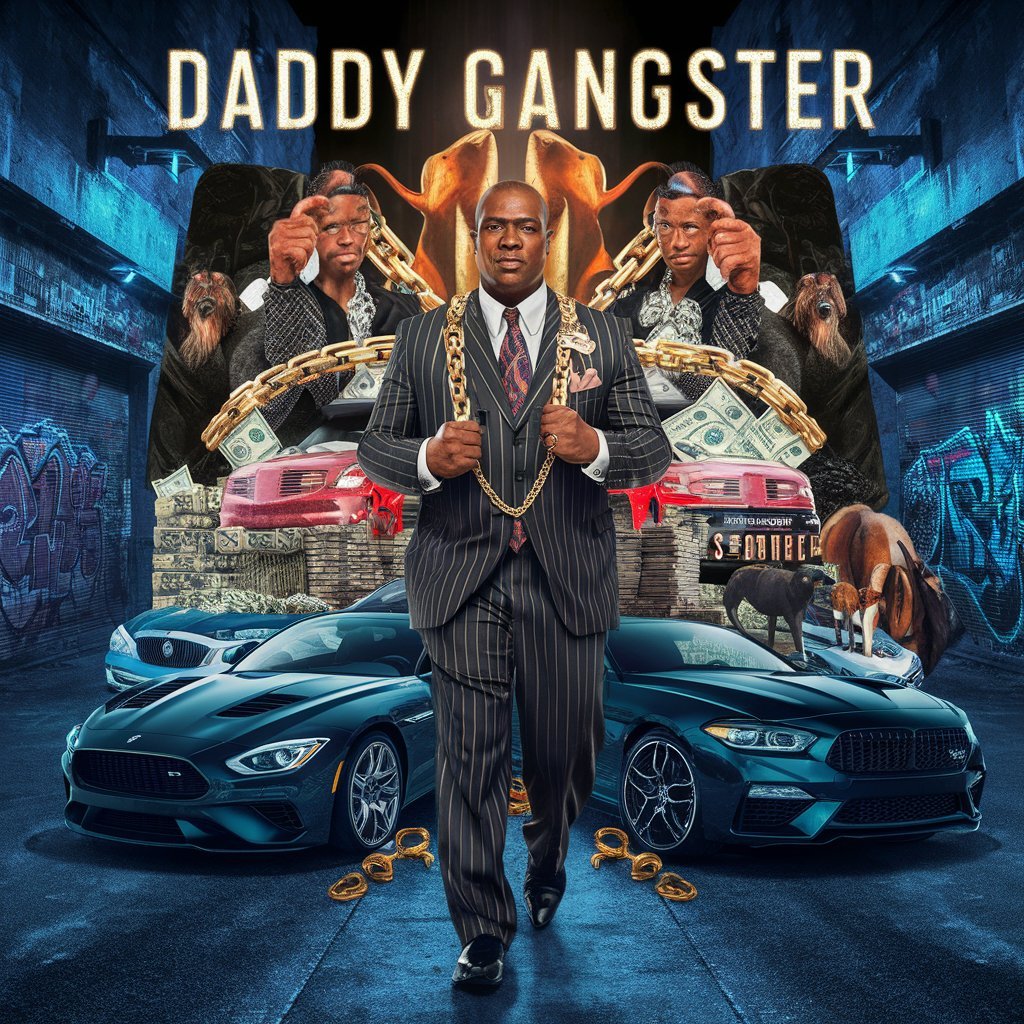
In modern pop culture and online communities, the term “Daddy Gangster” has gained significant attention. While it may sound like a paradoxical combination of nurturing and rebellion, it represents a complex persona that blends authority, style, confidence, and charisma. The term is often used in social media, entertainment, and even lifestyle discussions to describe individuals—usually men—who exude a commanding presence, yet maintain a sophisticated, caring, or indulgent side. Understanding the meaning and appeal of “Daddy Gangster” requires diving into its cultural context, psychological underpinnings, and representation in media, as well as exploring why it resonates with certain audiences. This article will break down these aspects in detail.
The Meaning of “Daddy Gangster”
At its core, “Daddy Gangster” is a cultural label that combines two seemingly opposite concepts. The word “daddy” traditionally evokes a figure of authority, protection, and guidance, often associated with maturity, wisdom, and reliability. On the other hand, “gangster” conveys rebellion, fearlessness, and dominance, typically tied to street culture or organized crime. When these words merge, they describe someone who is powerful and assertive, yet also cultivated and influential in social or personal spheres. This duality allows the persona to command respect while remaining approachable or even attractive, making it a captivating archetype in contemporary culture.
Origins and Cultural Influence
The concept of the “Daddy Gangster” has evolved over decades, influenced by music, cinema, and fashion. In hip-hop and rap culture, for instance, artists have popularized figures who are authoritative yet stylish, blending traditional masculinity with charm and sophistication. Films depicting mobsters, anti-heroes, or influential figures in society also reinforce this archetype, portraying individuals who wield power but maintain control over their environment and relationships. Social media platforms like Instagram and TikTok have accelerated the spread of this persona, where users celebrate confidence, charisma, and style under the hashtag #DaddyGangster, blending aspirational imagery with lifestyle trends.
Key Traits of a Daddy Gangster
Identifying a Daddy Gangster involves recognizing several defining traits:
-
Confidence and Authority: A Daddy Gangster exudes a natural leadership quality. They make decisive choices, command respect, and influence those around them without relying on intimidation alone.
-
Style and Sophistication: Appearance matters. A well-groomed, stylish individual who balances ruggedness with elegance is often associated with this persona.
-
Charisma and Social Intelligence: They are charming and persuasive, often using wit and emotional intelligence to navigate social interactions.
-
Protectiveness and Loyalty: Despite their edgy or rebellious exterior, a Daddy Gangster often shows loyalty to friends, family, or a community, creating a sense of dependability.
-
Fearlessness and Resilience: They are unafraid to face challenges, whether in personal life, business, or social hierarchies, embodying the gangster aspect of courage and tenacity.
Representation in Media and Pop Culture
The Daddy Gangster archetype is prevalent in movies, TV shows, and music videos. Characters like mob bosses in crime dramas, stylish anti-heroes, or dominant figures in rap culture often exemplify this persona. Beyond entertainment, fashion and lifestyle influencers have also embraced the term to describe a polished, assertive, and socially influential aesthetic. This cross-medium representation has blurred the lines between fiction and reality, allowing audiences to adopt elements of this persona in everyday life, whether through fashion, behavior, or attitude.
Why People Are Drawn to the Daddy Gangster Persona
The appeal of the Daddy Gangster can be understood psychologically and socially. On one hand, it taps into a fascination with power and control, which many people admire or aspire to. On the other hand, the “daddy” aspect introduces warmth, dependability, and emotional depth, which balances the intensity of the gangster image. This combination creates an aspirational archetype that resonates across genders and age groups, attracting admiration, curiosity, or even desire. Social validation through likes, comments, and recognition on social media further fuels the fascination with this persona.
Modern Usage and Social Media Trends
On platforms like Instagram, TikTok, and Twitter, the Daddy Gangster trend manifests in memes, lifestyle posts, and personal branding. Influencers often portray themselves as confident, stylish, and socially dominant while maintaining approachability. Hashtags and viral content reinforce the characteristics of this archetype, with followers emulating fashion choices, behaviors, and attitudes associated with it. Interestingly, this modern usage sometimes exaggerates traits for entertainment purposes, turning the concept into a playful but aspirational social media identity rather than a strictly literal description of personality.
Criticisms and Misconceptions
Despite its popularity, the Daddy Gangster persona is not without criticism. Some argue that the term glamorizes toxic masculinity or reinforces stereotypes about dominance and control. Others caution that social media portrayals often exaggerate reality, promoting unrealistic expectations of behavior, appearance, and lifestyle. Understanding the distinction between an aspirational persona and real-world behavior is essential, ensuring that admiration of the concept does not inadvertently endorse harmful traits.
Conclusion
The Daddy Gangster is more than a catchy phrase—it represents a fascinating blend of authority, charisma, and style that resonates with modern audiences. From its cultural roots in music and film to its widespread adoption on social media, the persona embodies a complex balance between power and approachability. While its appeal is undeniable, it is essential to recognize the difference between aspirational influence and real-world behaviors, appreciating the archetype as a cultural phenomenon rather than a literal standard.
Frequently Asked Questions (FAQs)
Q1: What does “Daddy Gangster” really mean?
A: It describes a person, usually male, who combines authority, confidence, and style with charisma and social influence. The term merges the nurturing or commanding traits of a “daddy” with the fearless, dominant qualities of a “gangster.”
Q2: Is being a Daddy Gangster about crime or illegal activity?
A: No. The term is largely symbolic and cultural, referencing confidence, leadership, and style rather than criminal behavior.
Q3: Can anyone be a Daddy Gangster?
A: In terms of persona, anyone can adopt elements of the archetype, such as confidence, charisma, and style. It is more about attitude and presentation than background or age.
Q4: Why is it popular on social media?
A: Social media thrives on aspirational content. The Daddy Gangster persona combines appeal, authority, and sophistication, making it highly shareable and engaging in posts, memes, and influencer content.
Q5: Are there negative aspects to this persona?
A: Yes. If misunderstood, it can encourage toxic traits, unrealistic expectations, or overemphasis on dominance. It’s important to separate the fun, cultural aspect from unhealthy behaviors.
