
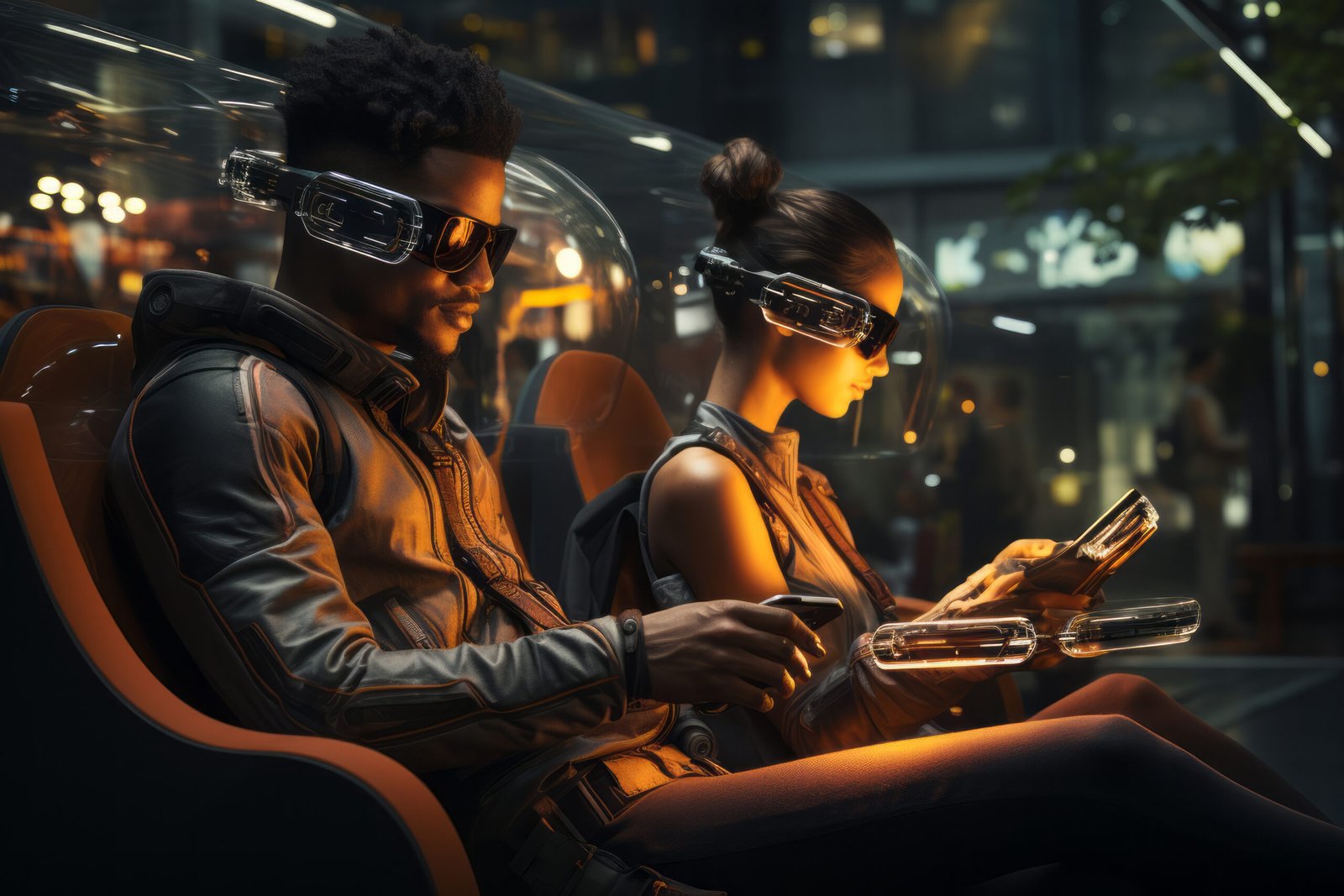
For more than a decade, smartphones have been the center of the digital world. They transformed communication, entertainment, productivity, and social interaction, becoming one of the most important technologies in modern life. However, many tech giants envision a future beyond smartphones, where new technologies gradually replace or reduce the central role of mobile devices. Companies are now investing heavily in emerging innovations such as augmented reality, artificial intelligence, wearable devices, and spatial computing to redefine how people interact with technology.
Major technology companies like Apple, Google, Meta Platforms, and Microsoft are exploring new ecosystems that could eventually shift the digital experience away from traditional smartphones. Instead of constantly looking down at a handheld screen, the next generation of technology may involve immersive environments, intelligent assistants, wearable computing devices, and connected digital spaces.
This vision does not necessarily mean smartphones will disappear immediately. Instead, the industry is gradually moving toward a broader ecosystem where smartphones become just one part of a larger network of devices and digital experiences. In this article, we explore how tech giants envision the future beyond smartphones, the technologies driving this transformation, and what it could mean for consumers and businesses worldwide.
Why Tech Giants Envision a Future Beyond Smartphones
Although smartphones remain extremely popular, technology companies recognize that the device has limitations. Screens can only become so large or powerful, and user experiences are often constrained by touch-based interfaces. As a result, many companies are exploring alternative technologies that offer more immersive, natural, and efficient ways to interact with digital systems.
Another major reason tech giants envision a future beyond smartphones is the desire to create new markets and revenue opportunities. The smartphone market has matured, and growth has slowed in many regions. To maintain innovation and profitability, companies must develop new product categories that redefine digital experiences.
Advancements in artificial intelligence, cloud computing, and sensor technology are also enabling devices that were once considered futuristic. Smart glasses, voice-controlled assistants, and spatial computing platforms are becoming more practical and accessible, encouraging companies to move beyond traditional smartphone-centered ecosystems.
Ultimately, the goal is to create technology that integrates more seamlessly into daily life rather than requiring users to constantly interact with a small handheld device.
Wearable Technology as a Key Step Beyond Smartphones
One of the most important areas where tech giants envision the future beyond smartphones is wearable technology. Wearables are devices designed to be worn on the body, providing continuous access to information, communication tools, and digital services.
Smartwatches, fitness trackers, and health-monitoring devices are already widely used. For example, the Apple Watch demonstrates how wearable devices can handle tasks such as messaging, fitness tracking, and notifications without requiring users to constantly use their smartphones.
In the future, wearable devices may become even more advanced. Smart clothing, biometric sensors, and health-monitoring technologies could continuously track vital signs and provide real-time insights into personal health. These devices could reduce the need to rely on smartphones for everyday digital interactions.
Wearables are also expected to integrate more deeply with artificial intelligence, allowing devices to anticipate user needs and deliver personalized information throughout the day.
Augmented Reality and Smart Glasses
Another major technology that supports the vision of a future beyond smartphones is augmented reality (AR). AR technology overlays digital information onto the real world, creating interactive experiences that combine physical and virtual environments.
Companies such as Meta Platforms and Apple are investing heavily in smart glasses and spatial computing devices. These devices allow users to see digital content directly in their field of vision rather than on a phone screen.
A notable example is the Apple Vision Pro, which introduces spatial computing experiences that blend virtual and real-world environments. Such technologies could allow users to watch media, collaborate with colleagues, and access digital tools without needing a traditional smartphone interface.
If smart glasses become lightweight, affordable, and socially accepted, they could eventually replace many tasks currently performed on smartphones.
Artificial Intelligence and Voice-Based Interfaces
Artificial intelligence is another important factor in how tech giants envision the future beyond smartphones. AI-powered systems allow users to interact with technology through natural language rather than complex touch interfaces.
Voice assistants like Google Assistant and Siri already demonstrate how AI can help users manage tasks, search for information, and control smart devices using voice commands.
In the future, AI systems may become even more advanced, acting as intelligent digital companions that understand context, preferences, and user behavior. Instead of manually opening apps on a smartphone, users might simply speak commands or rely on AI assistants that proactively perform tasks.
This shift toward voice and AI-driven interfaces could significantly reduce dependence on traditional smartphone screens.
The Role of Cloud Computing in a Post-Smartphone World
Cloud computing is another technology that supports the vision of a future beyond smartphones. In a cloud-based ecosystem, much of the computing power and data processing occurs on remote servers rather than directly on personal devices.
This approach allows smaller devices such as smart glasses or wearable gadgets to access powerful computing capabilities without needing large processors or batteries. By connecting to the cloud, these devices can deliver complex applications, immersive experiences, and real-time data analysis.
Companies like Microsoft and Google are heavily investing in cloud infrastructure to support this transition. As cloud networks become faster and more reliable, the reliance on powerful smartphone hardware may decrease.
This could lead to a future where lightweight wearable devices connect seamlessly to cloud-based platforms that handle most digital tasks.
Challenges in Moving Beyond Smartphones
Despite the exciting possibilities, the transition to a world beyond smartphones will not happen overnight. Smartphones remain incredibly versatile devices that combine communication, entertainment, and productivity in a single portable form.
One challenge is technological readiness. Many emerging technologies such as AR glasses or spatial computing devices are still expensive and require further development to become mainstream consumer products.
Another challenge is user adoption. People have become accustomed to smartphones, and shifting to new devices or interfaces may take time. Companies must design technologies that are intuitive, comfortable, and socially acceptable.
Privacy and security concerns also play an important role. Wearable devices and AI systems collect large amounts of personal data, which must be protected to ensure user trust.
The Future Vision of Tech Giants Beyond Smartphones
As innovation continues, tech giants envision a future where digital experiences are distributed across multiple devices rather than centered on a single smartphone. Instead of relying on one device for everything, users may interact with a network of connected technologies.
Wearable devices could handle health monitoring and quick notifications. Smart glasses might display navigation directions or work-related information. AI assistants could manage schedules, communication, and daily tasks through voice interactions.
This vision represents a more integrated digital environment where technology blends seamlessly into everyday life. Rather than pulling out a phone to access information, users may interact with digital systems in more natural and immersive ways.
Although smartphones will likely remain important for years to come, the long-term direction of innovation suggests that the digital ecosystem will expand far beyond them.
Conclusion
The idea that tech giants envision a future beyond smartphones reflects the rapid pace of technological innovation and the search for new ways to improve digital experiences. While smartphones have dominated the technology landscape for many years, companies are now exploring wearable devices, augmented reality, artificial intelligence, and cloud computing as the next major platforms.
Technology leaders such as Apple, Google, Meta, and Microsoft are investing heavily in these emerging fields to build ecosystems that move beyond traditional smartphone interfaces. These innovations could transform how people communicate, work, and access information in their daily lives.
Although smartphones will remain an essential part of modern technology for the foreseeable future, the next generation of digital devices may gradually shift the center of innovation toward more immersive, intelligent, and integrated experiences.
Frequently Asked Questions (FAQs)
What does “future beyond smartphones” mean?
It refers to the idea that new technologies such as wearable devices, augmented reality, and artificial intelligence may eventually replace or reduce the central role of smartphones.
Which companies are working on technologies beyond smartphones?
Major technology companies like Apple, Google, Meta Platforms, and Microsoft are actively developing new devices and platforms that could redefine digital interactions.
Will smartphones disappear in the future?
Smartphones are unlikely to disappear soon. However, their role may evolve as new technologies become more advanced and widely adopted.
What technologies could replace smartphones?
Potential alternatives include smart glasses, wearable devices, voice-controlled AI assistants, augmented reality platforms, and spatial computing systems.
Why are tech companies investing in new digital platforms?
Technology companies want to create new markets, improve user experiences, and continue innovation as the smartphone market becomes more mature.
