
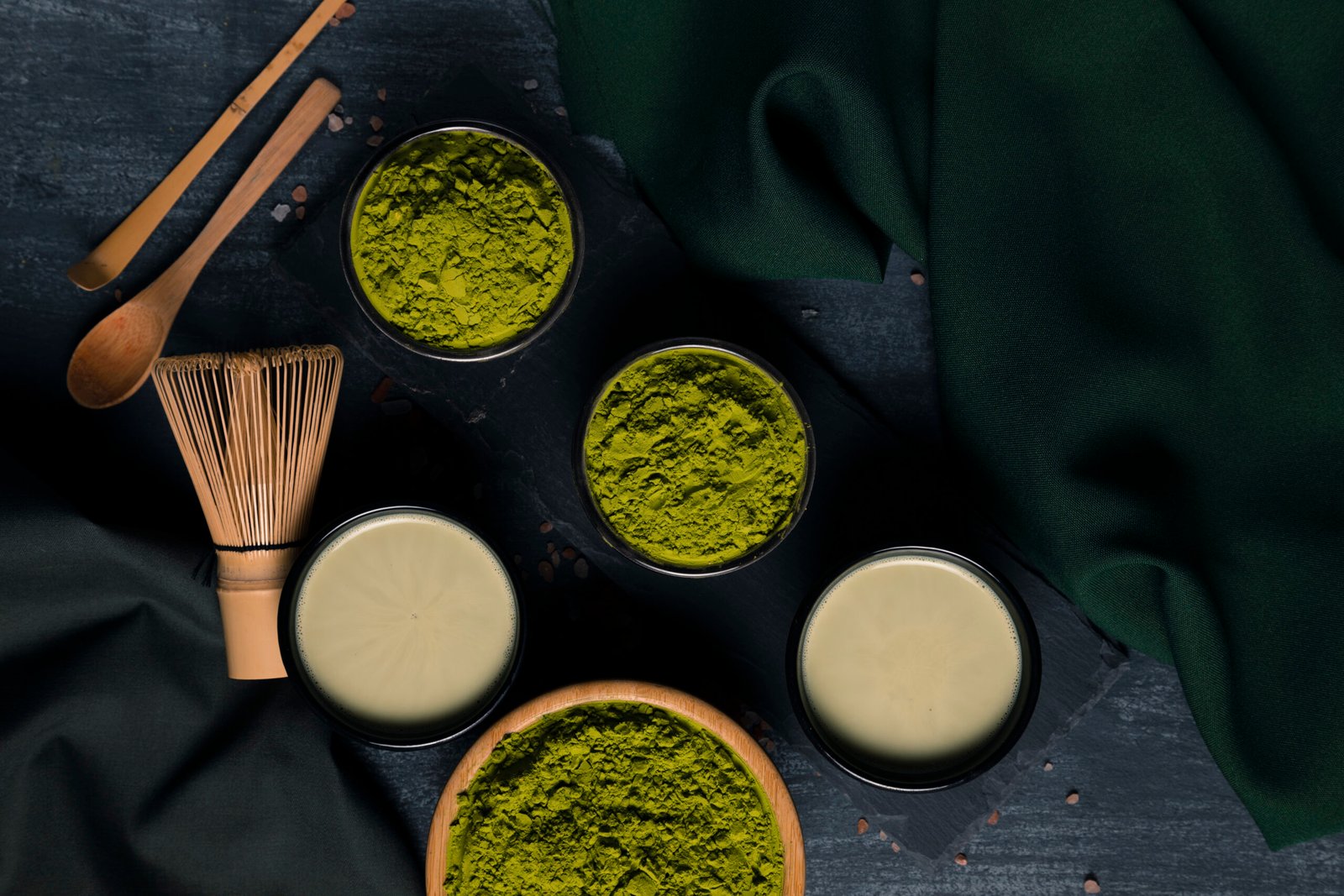
Bin Matcha is more than just a trendy green drink; it represents a refined tradition of Japanese tea culture blended with modern lifestyle preferences. Matcha itself is a finely ground powder made from specially grown green tea leaves, and when stored or presented in a “bin” format, it emphasizes freshness, organization, and quality preservation. The term “Bin Matcha” often refers to matcha stored in airtight containers to maintain its vibrant green color, delicate aroma, and nutritional strength. In recent years, matcha has become globally popular not only for its unique taste but also for its remarkable health benefits and versatility in beverages, desserts, and even savory dishes. Understanding Bin Matcha means exploring its origins, preparation methods, health advantages, and the best ways to enjoy it daily.
The Origins of Bin Matcha in Japanese Tea Culture
Matcha’s roots trace back to ancient Japan, where it became central to the traditional tea ceremony known as Japanese tea ceremony. The cultivation and preparation of matcha were influenced by Zen Buddhist monks who valued its calming yet energizing effects. High-quality matcha is traditionally produced in regions like Uji, which is famous for its premium tea farms. The tea leaves are shade-grown before harvest, increasing chlorophyll levels and giving matcha its deep green hue. Once harvested, the leaves are steamed, dried, and stone-ground into a fine powder. When stored in a sealed bin or airtight container, the powder maintains its freshness, preventing exposure to light, moisture, and oxygen that could degrade its flavor and nutrients.
The practice of storing matcha carefully reflects its cultural significance. In Japan, matcha was historically reserved for nobility and spiritual ceremonies. Today, Bin Matcha continues this tradition by emphasizing careful storage and mindful preparation, ensuring that every cup delivers authenticity and quality.
What Makes Bin Matcha Different from Regular Green Tea
Many people confuse matcha with ordinary green tea, but the two are fundamentally different. When drinking regular green tea, you steep the leaves in hot water and discard them afterward. With matcha, you consume the entire leaf in powdered form, which significantly increases nutrient intake. Bin Matcha ensures that this powder remains fresh and potent, offering a richer taste and stronger health benefits.
The flavor profile of Bin Matcha is smooth, slightly sweet, and pleasantly earthy, often described as umami. High-grade matcha has minimal bitterness and a creamy texture when whisked properly. The airtight bin storage prevents oxidation, preserving both the vibrant green color and the delicate taste. This difference in preparation and storage makes Bin Matcha superior in quality and nutritional value compared to typical green tea bags.
Health Benefits of Bin Matcha
One of the primary reasons for Bin Matcha’s popularity is its impressive range of health benefits. Matcha is rich in antioxidants, particularly catechins such as EGCG (epigallocatechin gallate), which support overall wellness. Because you ingest the whole leaf, you receive a concentrated dose of vitamins, minerals, and amino acids.
Bin Matcha also contains L-theanine, an amino acid known for promoting calm focus. This compound works synergistically with caffeine, delivering sustained energy without the jittery side effects often associated with coffee. Many people replace their morning coffee with matcha for this balanced energy boost. Additionally, matcha supports metabolism, detoxification due to its chlorophyll content, and immune system health. Proper storage in a bin ensures that these nutrients remain intact for longer periods, making each serving as beneficial as possible.
How to Prepare the Perfect Cup of Bin Matcha
Preparing Bin Matcha requires attention to detail to achieve the ideal texture and flavor. Traditionally, matcha is whisked in a bowl using a bamboo whisk called a chasen. First, sift one to two teaspoons of matcha powder to prevent clumping. Then add a small amount of hot water (not boiling, ideally around 70–80°C) and whisk vigorously in a zigzag motion until a frothy layer forms on top.
You can enjoy Bin Matcha in different styles. Usucha is a thinner version with more water, while koicha is thicker and more intense, often used in formal tea ceremonies. Modern variations include matcha lattes with milk, iced matcha drinks, smoothies, and baked goods. The key is to always reseal the bin tightly after use to protect the powder from humidity and air exposure.
Culinary Uses of Bin Matcha
Beyond beverages, Bin Matcha is widely used in culinary creations. Chefs and home bakers incorporate it into cakes, cookies, ice creams, and chocolates to add both flavor and color. Its subtle bitterness balances sweetness beautifully, making desserts more complex and refined. In savory dishes, matcha can be used in sauces, noodles, or seasoning blends for a creative twist.
Because Bin Matcha is carefully stored, it retains its bold green appearance, which enhances presentation. The visual appeal combined with health benefits makes it a favorite ingredient in health-conscious kitchens and gourmet restaurants alike.
How to Choose High-Quality Bin Matcha
Selecting premium Bin Matcha involves paying attention to color, aroma, texture, and origin. High-quality matcha should have a bright, vivid green color, indicating freshness and proper shading during cultivation. The aroma should be fresh and grassy, without any dull or stale notes. The texture must be ultra-fine and smooth to the touch.
Ceremonial-grade matcha is ideal for drinking, while culinary-grade works well for cooking and baking. Always purchase matcha stored in airtight bins or tins, and keep it refrigerated after opening to extend shelf life. Checking the harvest date and source region can also help ensure authenticity and quality.
Conclusion: Why Bin Matcha Is Worth Adding to Your Lifestyle
Bin Matcha represents a perfect balance between ancient tradition and modern wellness trends. Its careful storage preserves the purity, flavor, and nutritional richness of one of Japan’s most treasured teas. From boosting energy and focus to enhancing culinary creations, Bin Matcha offers versatility and health benefits that few beverages can match. By understanding its origins, preparation methods, and storage importance, you can fully appreciate the value it brings to your daily routine. Whether enjoyed as a calming morning ritual or a creative cooking ingredient, Bin Matcha stands out as a premium choice for tea lovers worldwide.
Frequently Asked Questions (FAQs) About Bin Matcha
1. What does Bin Matcha taste like?
Bin Matcha has a smooth, slightly sweet, and earthy flavor with a gentle umami undertone. High-quality matcha has minimal bitterness and a creamy texture when prepared correctly.
2. Is Bin Matcha healthier than coffee?
Bin Matcha provides caffeine along with L-theanine, offering steady energy without sudden crashes. It is rich in antioxidants and may be a healthier alternative for those sensitive to coffee’s effects.
3. How should I store Bin Matcha at home?
Keep it in an airtight bin or container away from light, heat, and moisture. Refrigeration after opening helps maintain freshness and color.
4. Can I use Bin Matcha for cooking and baking?
Yes, Bin Matcha is excellent for desserts, smoothies, lattes, and even savory dishes. Culinary-grade matcha is especially suited for recipes.
5. How long does Bin Matcha stay fresh?
When stored properly in an airtight bin and refrigerated, it typically remains fresh for one to two months after opening, though it’s best consumed sooner for optimal flavor and nutrients.
