
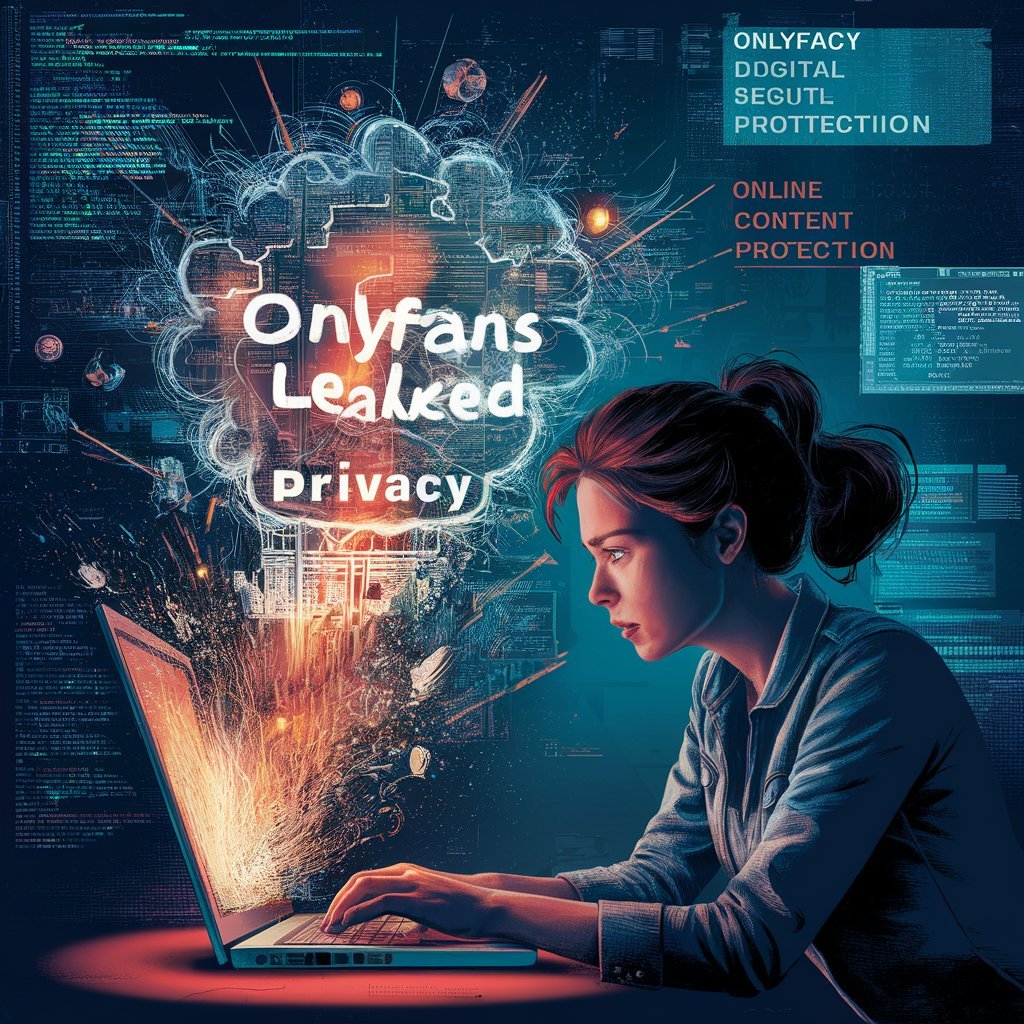
In the digital age, subscription-based content platforms have changed how creators earn income and connect with audiences. One of the most well-known platforms in this space is OnlyFans, which allows creators to share exclusive content with paying subscribers. However, alongside its growth, a serious issue has emerged: “OnlyFans leaks.” This term refers to the unauthorized sharing or distribution of private, paid content outside the platform. While some people search for this topic out of curiosity, the reality behind leaks involves complex legal, ethical, and cybersecurity concerns that affect both creators and consumers. This article explores what OnlyFans leaks are, how they happen, the legal consequences involved, the ethical implications, and how users can protect themselves in an increasingly connected world.
What Are OnlyFans Leaks?
OnlyFans leaks refer to the unauthorized distribution of content originally posted behind a paywall on the platform. This content is meant exclusively for subscribers who pay a monthly fee, and creators rely on this system as their primary source of income. When someone downloads, records, screenshots, or redistributes that content without permission, it becomes a leak. These leaks often appear on third-party websites, social media platforms, private forums, or messaging groups.
The problem is not just about content sharing; it is about violating digital rights and personal boundaries. Creators produce content under specific agreements and expectations of privacy within the platform’s system. When that content is leaked, it disrupts their business model, damages their brand, and can cause emotional distress. In many cases, leaks happen through malicious intent, hacking, or subscribers intentionally ignoring the platform’s terms of service.
Why Do OnlyFans Leaks Happen?
There are several reasons why OnlyFans leaks occur. One of the most common causes is deliberate redistribution by paying subscribers who ignore the rules and attempt to share content publicly for attention, profit, or revenge. Another major cause is cybersecurity weakness. Weak passwords, phishing scams, and compromised devices can allow hackers to access accounts and download content illegally.
In some cases, entire databases of content are shared on piracy websites, where users try to avoid paying subscription fees. This behavior reflects a broader issue of digital piracy that affects not only OnlyFans creators but also musicians, filmmakers, writers, and software developers. The ease of copying digital files makes unauthorized distribution technically simple, but that simplicity does not reduce its legal or ethical seriousness.
The Legal Consequences of OnlyFans Leaks
Many people underestimate the legal risks associated with sharing leaked content. Distributing private, copyrighted material without permission can result in civil lawsuits and, in some jurisdictions, criminal charges. Copyright laws protect digital content just as they protect books, movies, and music. When someone leaks paid content, they are violating intellectual property rights.
Additionally, privacy laws may apply, especially if personal data or private images are involved. In some countries, non-consensual distribution of private material can lead to severe penalties, including fines and imprisonment. Platforms also actively monitor and remove leaked content using copyright enforcement tools, and they may pursue legal action against repeat offenders. This means that viewing or sharing leaks is not a harmless activity; it carries significant legal consequences.
The Ethical Impact on Content Creators
Beyond legal issues, OnlyFans leaks raise serious ethical concerns. Creators use subscription platforms to maintain control over their work, pricing, and audience. When their content is leaked, they lose that control. Their income may decline, their reputation may suffer, and they may experience anxiety or stress knowing their private work is circulating without consent.
It is important to understand that content behind a paywall is part of someone’s livelihood. Leaking it is comparable to stealing physical merchandise from a store. Ethical digital behavior requires respecting creators’ rights, paying for content legitimately, and understanding the human impact behind online actions. The normalization of leaks can create a culture where digital theft is minimized, even though it can deeply affect real people.
The Role of Cybersecurity in Preventing Leaks
Cybersecurity plays a critical role in preventing OnlyFans leaks. Both creators and subscribers should use strong, unique passwords and enable two-factor authentication to reduce the risk of account hacking. Avoiding suspicious links and phishing emails is also essential. Many leaks begin with compromised login credentials rather than direct platform breaches.
Creators can also monitor the internet for unauthorized sharing of their content and use digital watermarking to identify stolen material. While no system is completely immune to misuse, proactive security measures significantly reduce risk. Education about online safety is one of the strongest tools in combating digital piracy and unauthorized distribution.
How Platforms Respond to OnlyFans Leaks
Platforms like OnlyFans invest in content protection systems designed to identify and remove unauthorized uploads. These systems include digital fingerprinting, copyright reporting tools, and legal teams that issue takedown notices. However, once content spreads across multiple sites, complete removal becomes difficult.
Despite these challenges, consistent reporting and enforcement discourage large-scale piracy over time. The cooperation between creators, legal authorities, and platform administrators is essential in maintaining digital rights and discouraging unethical behavior.
How Users Should Approach the Topic of OnlyFans Leaks
For users, the responsible approach is simple: avoid searching for, downloading, or sharing leaked material. Not only does this reduce legal risk, but it also supports ethical digital behavior. If someone wants to access content, the appropriate method is to subscribe legitimately through the official platform.
Understanding that real individuals are behind the content helps shift the perspective from curiosity to responsibility. Respect for privacy, intellectual property, and digital consent is essential in today’s online environment.
Conclusion
OnlyFans leaks are not just a trending search term; they represent a serious issue involving privacy violations, copyright infringement, cybersecurity risks, and ethical concerns. While digital content is easy to copy and distribute, that ease does not remove legal responsibility or moral accountability. Creators depend on subscription platforms to control their work and earn income, and unauthorized leaks undermine that system. By understanding the legal consequences, respecting creators’ rights, and practicing strong cybersecurity habits, users can contribute to a safer and more ethical digital environment.
Frequently Asked Questions (FAQs)
1. What does “OnlyFans leaks” mean?
It refers to the unauthorized sharing or distribution of paid content from the platform outside its official system.
2. Is it illegal to share leaked OnlyFans content?
Yes, in many jurisdictions it violates copyright and privacy laws, and it can result in legal penalties.
3. How do OnlyFans leaks usually happen?
Leaks often occur through account hacking, weak cybersecurity practices, or subscribers intentionally redistributing content without permission.
4. Can creators remove leaked content from other websites?
Creators can file copyright complaints and takedown requests, but complete removal can be challenging once content spreads widely.
5. How can users avoid legal trouble related to leaks?
The safest approach is to avoid searching for, downloading, or sharing leaked material and instead access content only through official, paid subscriptions.
6. How can creators protect their accounts?
Using strong passwords, enabling two-factor authentication, avoiding phishing scams, and monitoring online platforms for unauthorized uploads can significantly reduce risk.
